
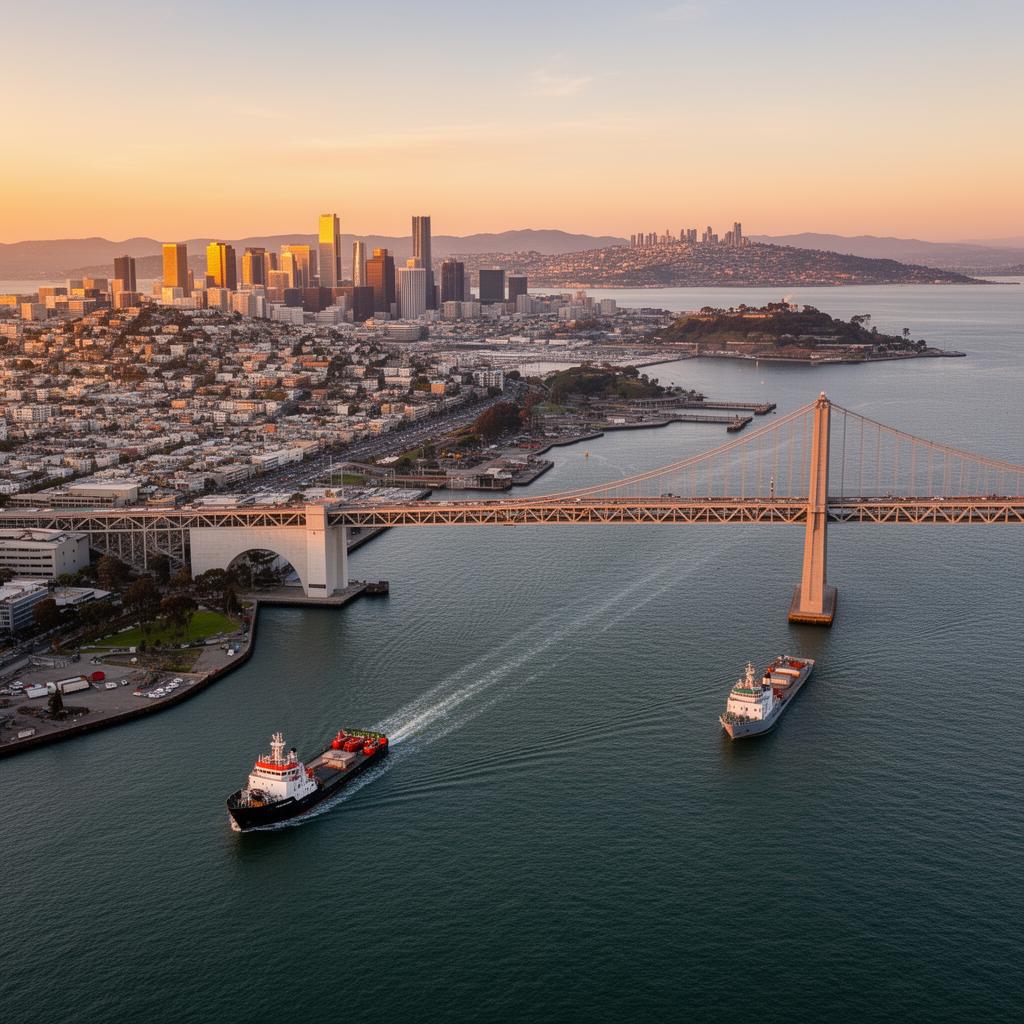
Tourist-heavy corridors punish vague locations. Start with the same clarity we recommend in freeway towing Bay Area, then add bridge approach context.
Corridor Physics: Wind, Grade, and Sightlines
Tall vans and RVs feel crosswinds more. If you are hauling a long trailer, also read travel trailer sway and blowouts.
If hazards are on, stay away from cliff-side doors when opening for operators.
Related resources: Service options • Get a quote • Related guide
The Landmark Trap and Better Location Habits
Say direction, lane, and last exit—not 'by the view.' Urban readers should also skim San Francisco towing challenges for contrast with dense core pickups.
Drop a pinned map location to your fleet chat if cell voice is unreliable.
Related resources: Service options • Get a quote • Related guide
How Dispatch Routes Marin-Bound Calls
We stage from hubs listed on our locations index—share which approach leg you are on so trucks do not overshoot.
Night calls need reflective descriptions—mention bridge lighting and lane paint color if helpful.
Confirm situation
Share your exact location, vehicle status, and destination details with dispatch.
Choose safe method
Request the towing method that matches your vehicle type and current condition.
Document service
Save invoices, timestamps, and photos for claims, compliance, or reimbursement.
Related resources: Service options • Get a quote • Related guide
Visitor Perspective: Rentals and RVs
Rental contracts differ—still prioritize safety first. For SF core pickups after a tow, bookmark San Francisco towing services.
Keep rental roadside numbers handy, but use whichever provider can arrive safely first.
Do This
- Share complete vehicle details
- Ask for itemized billing
- Confirm destination before loading
Avoid This
- Accepting unclear pricing
- Skipping method confirmation
- Leaving without records
Related resources: Service options • Get a quote • Related guide