
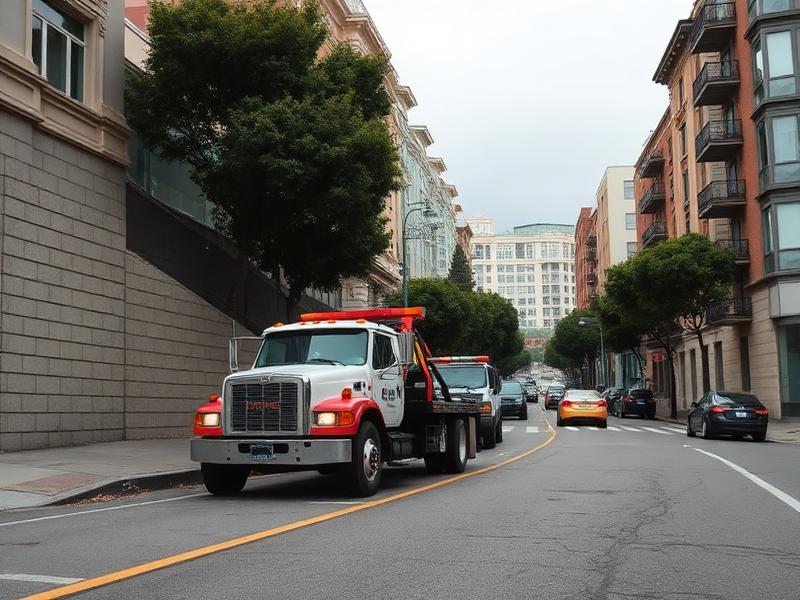
Bridge decks remove the margin for error: narrow shoulders, high speeds, and limited escape paths. Understanding CHP towing procedures helps you interpret what happens while lanes are managed.
Why Bridge Stalls Differ from Surface Streets
Operators may need to stage downstream because reversing on a bridge is unsafe. Compare that with standard freeway recovery expectations on long straightaways. For the San Mateo-Hayward Bridge on CA-92, see our CA-92 breakdown San Mateo guide. For Dumbarton Bridge CA-84 near Fremont, see our Fremont bridge corridor towing guide.
If smoke appears, prioritize life safety and follow 911 instructions before worrying about vehicle damage.
Related resources: Service options • Get a quote • Related guide
CHP, Caltrans, and Scene Control
Officers may create a moving closure or use a push bumper strategy depending on traffic volume and time of day.
Your tow invoice should still list hook, mileage, and any standby time transparently.
Related resources: Service options • Get a quote • Related guide
Equipment Access and Vertical Clearance
Taller vans and box trucks need height truth early. If you operate commercial units, bookmark medium-duty services for GVWR-aware dispatch.
Flatbeds may require additional space to tilt—share lane width constraints when you call.
Confirm situation
Share your exact location, vehicle status, and destination details with dispatch.
Choose safe method
Request the towing method that matches your vehicle type and current condition.
Document service
Save invoices, timestamps, and photos for claims, compliance, or reimbursement.
Related resources: Service options • Get a quote • Related guide
After the Tow: Shops and Documentation
Choose a shop that can receive your vehicle after hours if needed, and photograph undercarriage fluid leaks before the hook when safe.
Keep CHP incident numbers with your tow receipt for insurance threads.
Do This
- Share complete vehicle details
- Ask for itemized billing
- Confirm destination before loading
Avoid This
- Accepting unclear pricing
- Skipping method confirmation
- Leaving without records
Related resources: Service options • Get a quote • Related guide