Most towing problems start with a method mismatch. The right method is not about price alone; it is about vehicle compatibility and risk control.
How the Two Methods Differ
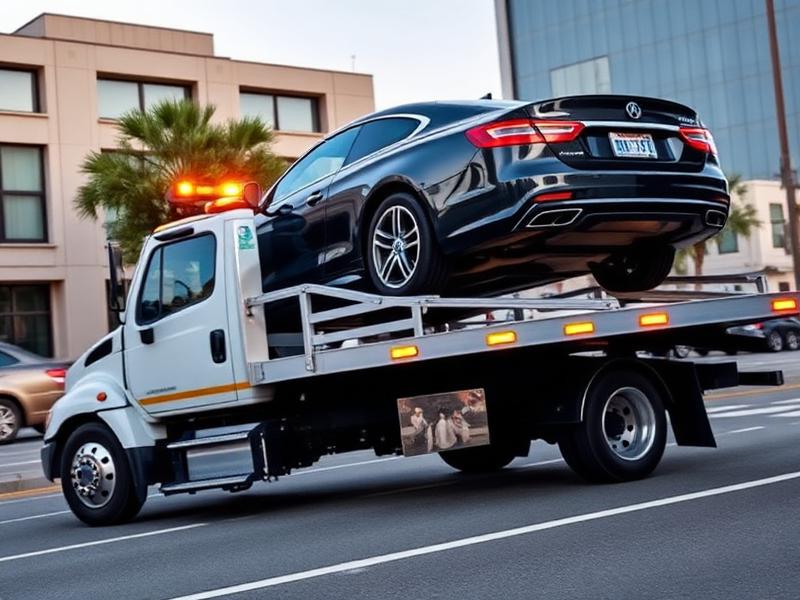
Flatbed towing places all four wheels on a platform, reducing drivetrain and tire wear risk during transport.
Wheel-lift towing raises one axle while the other remains on the road, which can be fine for select use cases but risky for many modern vehicles.
Related resources: Service options • Get a quote • Related blog
Cost and Speed Tradeoffs
Wheel-lift setup is often faster and can be less expensive. Flatbed may cost more but typically reduces damage risk.
For long-distance or uncertain vehicle condition, paying for safer handling is often the lower total-cost decision.
Related resources: Service options • Get a quote • Related blog
Vehicle Compatibility Guide
AWD/4WD, EVs, luxury vehicles, lowered cars, and collision-damaged vehicles usually belong on a flatbed.
Simple short-distance moves for some front-wheel-drive cars may allow wheel-lift when no damage risk indicators exist.
- Flatbed: AWD, EV, luxury, damaged, lowered
- Wheel-lift: compatible short local moves
- Always verify with dispatch before loading
Confirm situation
Share your exact location, vehicle status, and destination details with dispatch.
Choose safe method
Request the towing method that matches your vehicle type and current condition.
Document service
Save invoices, timestamps, and photos for claims, compliance, or reimbursement.
Related resources: Service options • Get a quote • Related blog
Quick Decision Checklist
Share drivetrain type, ride height, and visible damage with dispatch. Ask for method confirmation in plain language.
If you feel uncertain at pickup, ask for a safer method before the vehicle is loaded.
Do This
- Share complete vehicle details
- Ask for itemized billing
- Confirm destination before loading
Avoid This
- Accepting unclear pricing
- Skipping method confirmation
- Leaving without records
Related resources: Service options • Get a quote • Related blog