
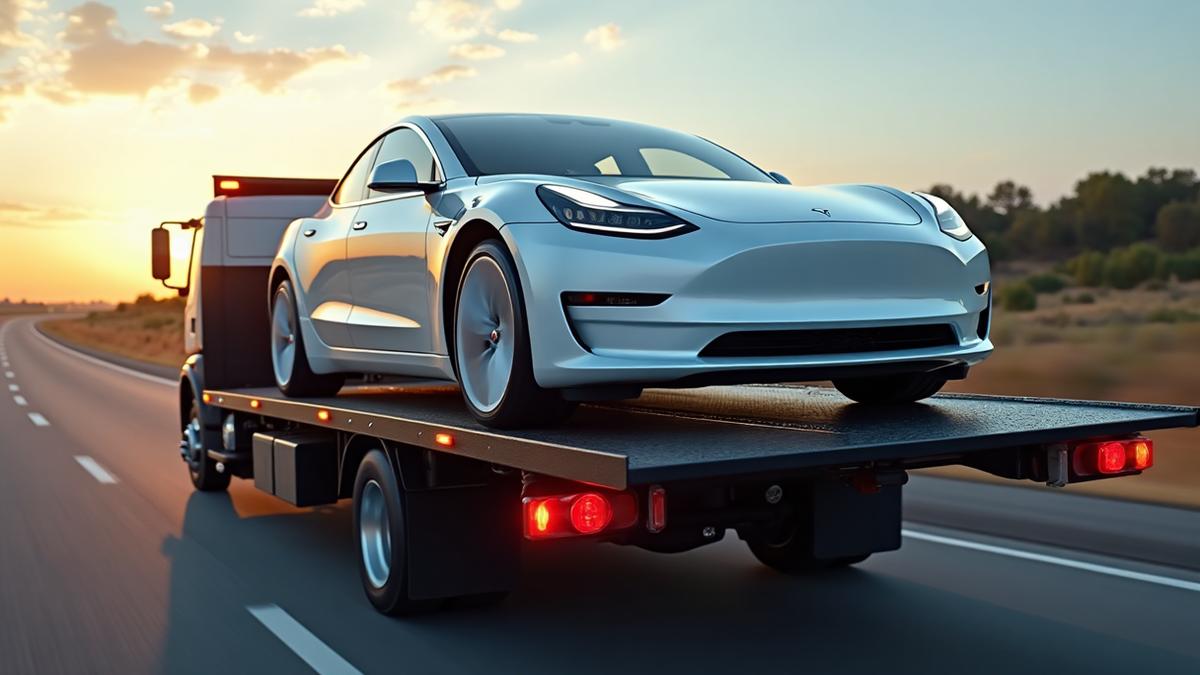
Electric vehicles require specialized towing procedures that differ significantly from traditional gasoline vehicles. With the Bay Area leading in EV adoption, understanding proper electric vehicle towing is essential for both safety and preventing costly damage to sophisticated electrical systems.
Why EVs Need Special Towing Procedures
Electric vehicles incorporate advanced technologies that make them fundamentally different from conventional cars when it comes to professional towing services. Understanding these differences is crucial for safe transport.
Regenerative Braking
Wheels turning generates electricity that can overload battery systems, creating potential fire or explosion risk. Requires flatbed transport only.
High-Voltage Systems
400+ volt electrical systems create risk of electrical shock. Requires special handling protocols and emergency responder awareness.
Proper EV Towing Methods
There is only one safe method for towing electric vehicles: flatbed transport. This ensures complete protection of the vehicle's electrical systems and prevents any potential damage from wheel rotation.
- Flatbed Transport Only - All four wheels must be off the ground
- Vehicle Shutdown - Ensure complete power-down before loading
- Emergency Disconnect - Locate and engage emergency battery disconnect if available
- Specialized Tie-Downs - Use manufacturer-approved anchor points
Brand-Specific EV Towing Guidelines
Different EV manufacturers have specific requirements and procedures for safe towing. Professional towing services must be familiar with these brand-specific protocols. San Mateo and Peninsula commuters can use our flatbed EV towing San Mateo checklist for local garage clearance and dispatch phrasing before calling.
Tesla Vehicles
Transport Mode activation required, specific jack points for lifting, battery protection protocols, mobile app notification systems
Other Major Brands
BMW, Audi, Nissan, Chevy each have individual emergency disconnect procedures, brand-specific anchor points, and unique battery protection requirements
Emergency Procedures for EV Incidents
Electric vehicle emergencies require special protocols due to high-voltage systems and potential battery hazards. Knowing these procedures can save lives and prevent further damage.
Ensure Personal Safety
Stay clear of damaged electrical components
Call 911 If Needed
Report any injuries or fire/smoke present
Contact EV-Trained Towing
Request services trained in EV handling
Avoid Exposed Wiring
Do not touch any exposed wiring or damaged battery components
Keep Area Clear
Maintain safe distance until professionals arrive
EV Towing Cost Considerations
Electric vehicle towing typically costs more than conventional vehicle transport due to specialized equipment requirements and additional safety protocols.
Required Equipment
Flatbed truck mandatory, specialized lifting equipment, EV-certified operators, additional safety gear
Service Complexity
Extended loading procedures, brand-specific protocols, additional safety measures, specialized training requirements
Preventing EV Breakdown Situations
Many EV towing situations can be prevented with proper maintenance and awareness of electric vehicle limitations and requirements.
EV Maintenance Checklist
- Monitor battery health with regular diagnostics
- Plan charging routes to avoid range issues
- Keep vehicle software updated
- Store EV-certified towing service numbers
- Know your vehicle's Transport Mode procedure
- Understand emergency disconnect location
Choosing EV-Certified Towing Services
Not all towing companies are equipped or trained to handle electric vehicles safely. Choosing an EV-certified service protects your investment and ensures safe transport.
- EV-specific training certification
- Flatbed equipment exclusively for EVs
- High-voltage safety protocols
- Brand-specific procedure knowledge
- Proper insurance for EV transport