
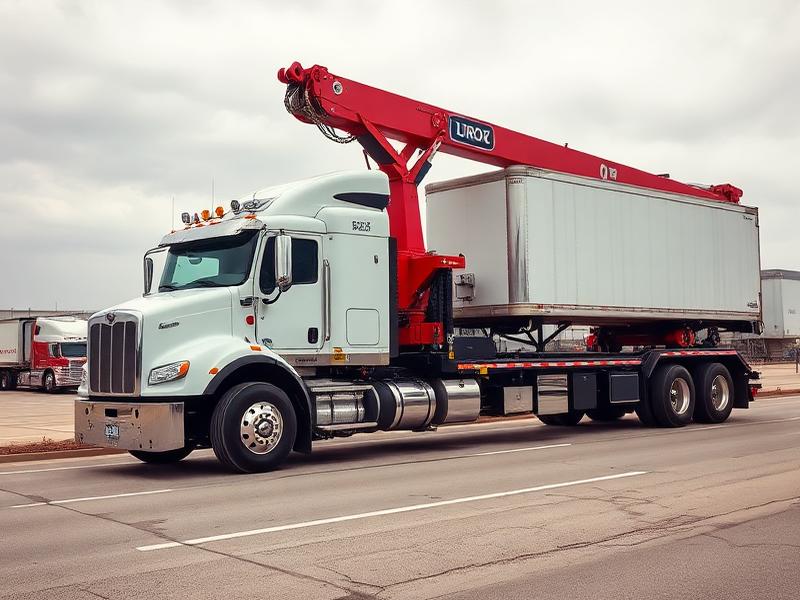
Stockton towing dispatch goes smoother when you lead with corridor and weight class—not just the city name. I-5, CA-99, and CA-4 carry dense freight through San Joaquin County. Gather these details, then call heavy-duty towing or Stockton towing at 916-701-2200 with mile marker, GVWR, and fleet billing info.
Stockton Corridor Overview
Stockton anchors the Central Valley logistics belt where I-5, CA-99, and CA-4 converge. Caltrans District 10 maintains freeways in San Joaquin County. Port of Stockton, March Lane retail, Hammer Lane commuter traffic, and agricultural haulers share the same corridor space.
Naming the highway matters. A driver who says only Stockton might be on I-5 near Eight Mile Road, CA-99 near Arch-Airport Road, or CA-4 heading toward Antioch—each routes differently. Lead with freeway, direction, and mile marker or last exit.
The I-5 / CA-99 / SR-120 interchange zone around Manteca and the Charter Way area sees heavy commercial breakdown volume—especially overnight long-haul windows and peak commuter hours.
Surface street breakdowns in Lincoln Village, Weston Ranch, Miracle Mile, or port-adjacent yards need cross streets and business names. Port gate and escort requirements apply inside secured logistics facilities.
511.org covers Northern California freeway conditions. CHP handles lane-blocking hazards—call 911 first when traffic is at risk.
Related resources: Service options • Get a quote • Related guide
Dispatch Checklist
Vehicle type and GVWR from the door sticker or registration. Axle configuration (single, tandem, doubles), loaded vs empty, and trailer status if applicable.
Corridor: I-5 northbound/southbound, CA-99, or CA-4. Mile marker, overhead sign text, or last exit name. Dropped phone map pin if shoulder space allows.
Hazmat placards, refrigeration unit running, and cargo type if temperature-sensitive. CHP incident number if officers are on scene.
Driver mobile number, company fleet unit ID, and billing PO or fleet account number. Destination shop, yard, or tow company if you have a preference.
Rolling status: does it steer? Brake failure? Jackknife angle? Soft shoulder or mud? Winch-recovery may precede highway tow—describe terrain honestly.
For highway safety sequencing before hookup, see our semi-truck breakdown highway guide.
Related resources: Service options • Get a quote • Related guide
When Heavy-Duty Applies
FHWA Class 7–8 vehicles (generally GVWR over 26,000 pounds) need heavy wreckers, rotators, or specialized recovery—not light-duty rollbacks. Loaded doubles, buses, and cement mixers default to heavy-duty from the first call.
Class 3–6 medium-duty may suffice for Sprinters, box trucks, and empty single-axle tractors—still state GVWR upfront to avoid undersized equipment.
FMCSA treats vehicles with GVWR or GCWR of 10,001 pounds or more as commercial motor vehicles. Fleet documentation and driver hours context may matter for insurance—note if the event followed a DOT inspection.
Jackknife, rollover, or cargo shift may require scene stabilization before tow. Share whether lanes are blocked and if hazmat response is already on scene.
DOT out-of-service events have separate compliance steps—see our DOT out-of-service weight station guide for general context.
Corridor brief
Freeway, mile marker, and direction—especially between Stockton exits.
Weight class
GVWR, axles, loaded status, hazmat placards if any.
Fleet billing
Company PO, fleet account, and itemized invoice requirements.
Related resources: Service options • Get a quote • Related guide
Fleet and Billing
Recurring lanes through Stockton benefit from fleet accounts—PO numbers, AP contacts, and itemized invoice requirements should be on file before the first emergency call.
Document downtime with timestamps for customer SLA disputes. Reefer loads may need temperature logging during delay—mention cargo sensitivity when calling.
Insurance and cargo claims often require CHP incident numbers, photos of hook location, and separation of hook mileage vs tow mileage on the invoice.
After-hours shop drops need bay height clearance for tall box trucks and lockbox instructions for yards without night staff.
For medium-duty van fleets on Bay Area routes feeding Stockton lanes, compare our delivery van towing Concord guide for GVWR sizing parallels.
Dispatch card
- Corridor + mile marker
- GVWR and axles
- Fleet number
- CHP on scene yes/no
Avoid
- City-only location
- Undersized wrecker
- Missing hazmat flag
Related resources: Service options • Get a quote • Related guide
Agricultural Season Traffic
Harvest windows concentrate slow-moving equipment on Hwy 99 and connector roads—expect delayed shoulder access and longer CHP response.
I-5 and Hwy 4 junction areas need explicit corridor naming; 'Stockton' alone is ambiguous between exits.
Document downtime with timestamps for customer SLA disputes—itemized tow invoices support cargo delay claims.
- I-5 vs 99 vs Hwy 4
- Mile marker or last exit
- Fleet billing contact
Related resources: Service options • Get a quote • Related guide