
April rains can re-saturate hillsides long after the first winter headline fades. Pair this guide with our spring rainy-season driving checklist so maintenance and extraction plans stay aligned.
Winch-Out vs Tow: Decision Basics
A winch-out uses controlled cable tension to return a vehicle to pavement. If undercarriage components are hung on rocks or roots, operators may shift to heavy recovery tooling rather than forcing a light winch.
Share honest tire depth—operators choose rigging based on how far the vehicle sank, not how it looks from the cab.
Related resources: Service options • Get a quote • Related guide
When Heavy Recovery Joins the Job
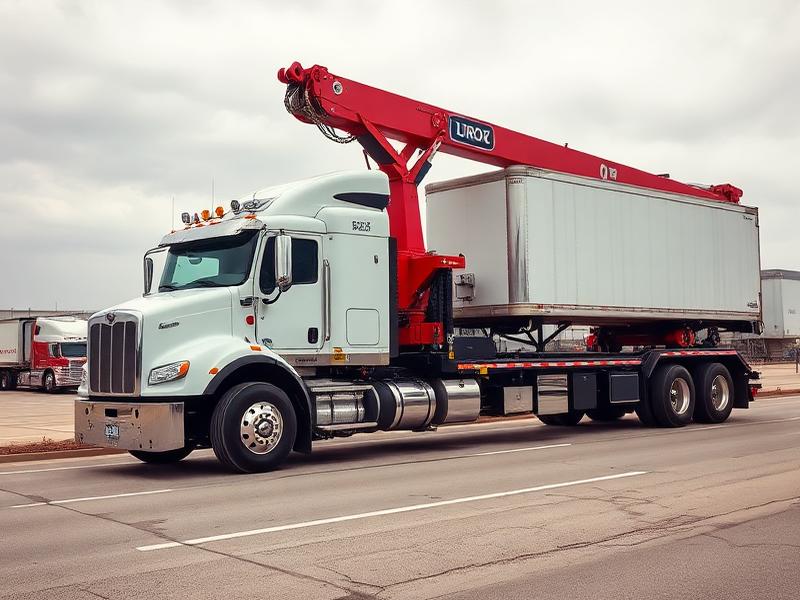
Steep grades, unstable shoulders, or multi-vehicle slides can require rotators or heavy anchors. Start with heavy-duty service options when GVWR or terrain exceeds light equipment limits.
If Caltrans or CHP controls the lane, standby time may accrue—ask how billing handles officer-directed waits.
Related resources: Service options • Get a quote • Related guide
Driver Safety on Saturated Shoulders
Stay uphill and away from cable snap zones. Turn hazards on and keep reflective gear in your trunk year round.
If water is moving across the road, do not attempt a crossing—depth is deceptive.
Confirm situation
Share your exact location, vehicle status, and destination details with dispatch.
Choose safe method
Request the towing method that matches your vehicle type and current condition.
Document service
Save invoices, timestamps, and photos for claims, compliance, or reimbursement.
Related resources: Service options • Get a quote • Related guide
Preventing a Repeat Stuck Event
Fleet managers should log GPS pins for chronic soft shoulders and brief drivers. Our fleet towing primer covers proactive dispatch relationships.
Carry a compact shovel and traction boards if you routinely service rural routes—still call before buried differentials bind.
Do This
- Share complete vehicle details
- Ask for itemized billing
- Confirm destination before loading
Avoid This
- Accepting unclear pricing
- Skipping method confirmation
- Leaving without records
Related resources: Service options • Get a quote • Related guide