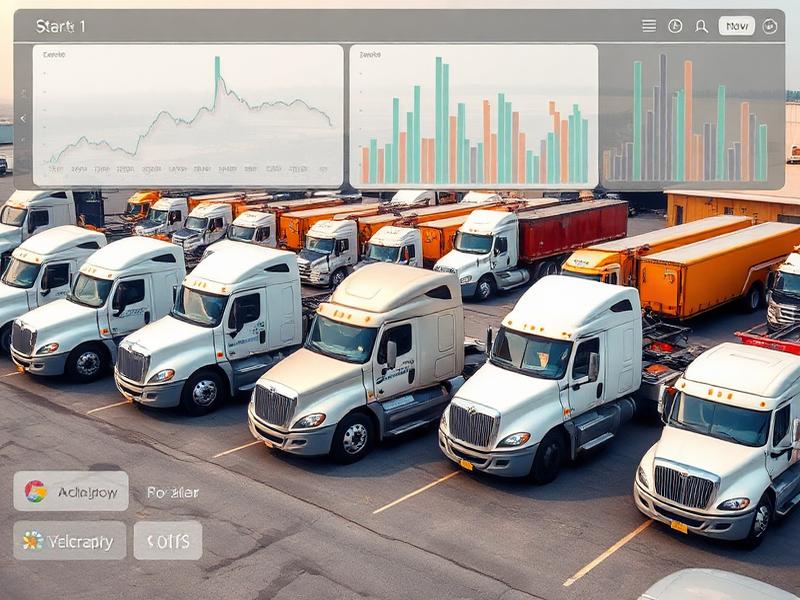
For businesses operating vehicle fleets in the Bay Area, unexpected breakdowns don't just affect individual drivers—they impact operations, productivity, and ultimately, your bottom line. Professional fleet management towing services provide the specialized support businesses need to minimize downtime and maintain operational efficiency.
Understanding Fleet Towing Needs
Fleet vehicles face unique challenges compared to personal vehicles. They typically accumulate higher mileage, operate under more demanding conditions, and serve critical business functions that can't afford extended downtime. Last-mile vans in Contra Costa need GVWR-matched dispatch—see our delivery van towing Concord guide for medium-duty sizing on I-680 corridors.
Commercial Vehicles
- Delivery trucks and vans
- Service vehicles
- Company passenger vehicles
- Specialized work trucks
- Executive transportation
Heavy-Duty Fleet
- Semi-trucks and trailers
- Construction equipment
- Municipal vehicles
- Emergency service vehicles
- Buses and coaches
Benefits of Corporate Towing Contracts
Establishing a formal relationship with a professional towing service offers numerous advantages for fleet operations:
- Priority Dispatch: Fleet contracts include priority response, moving business vehicles to the front of the queue
- Predictable Pricing: Volume pricing agreements provide cost predictability instead of emergency rates
- Streamlined Processes: Pre-established protocols eliminate the need for drivers to negotiate during emergencies
Service Level Agreements (SLAs)
Professional fleet towing services offer Service Level Agreements that guarantee specific response times and service standards:
- Response Time Guarantees: Committed arrival times based on service level (emergency, priority, standard)
- Service Standards: Defined procedures for vehicle handling, driver interactions, and communication protocols
- Performance Penalties: Financial adjustments if SLA commitments are not met
Cost Management Strategies
Effective fleet towing management goes beyond just having a service provider—it involves strategic approaches to minimize costs and maximize operational efficiency:
- Preventive Maintenance Programs: Regular maintenance reduces emergency breakdowns and associated towing costs
- Driver Training: Educated drivers can often resolve minor issues without requiring towing services
- Strategic Service Locations: Using preferred repair facilities can reduce towing distances and costs
- Data Analysis: Tracking breakdown patterns helps identify recurring issues and optimize fleet management
Technology Integration
Modern fleet towing services leverage technology to improve efficiency and provide better service to business customers:
GPS Tracking & Dispatch
- Real-time vehicle location tracking
- Automated nearest-unit dispatch
- Estimated arrival time updates
- Route optimization for efficiency
Fleet Management Integration
- API integration with fleet systems
- Automated billing and reporting
- Digital work orders and receipts
- Performance analytics and reporting
Emergency Protocols for Fleet Operations
Establishing clear emergency protocols ensures consistent responses when fleet vehicles require towing services:
Fleet Emergency Response Checklist
- Driver safety assessment
- Fleet management notification
- Towing service contact using corporate account
- Customer communication if delivery affected
- Vehicle and cargo documentation
- Alternative transportation arrangement
- Incident documentation and reporting
- Follow-up repair scheduling