
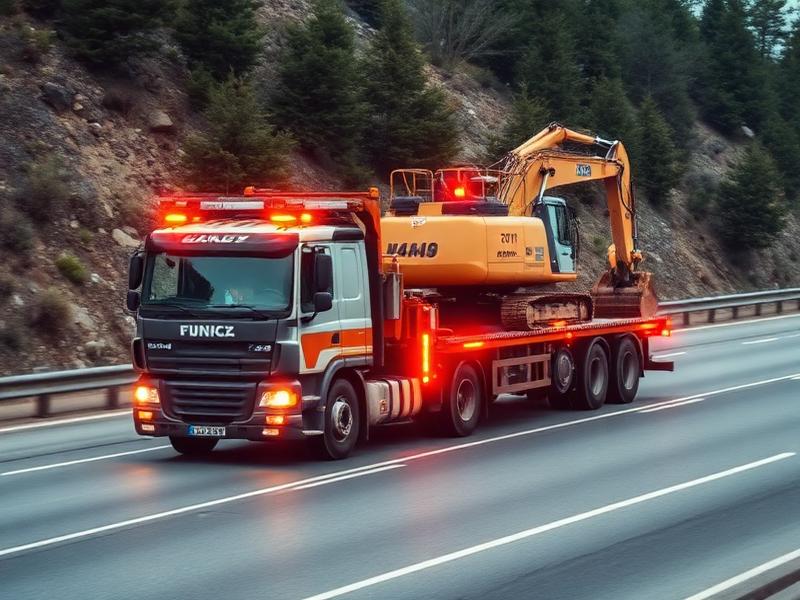
Moving heavy construction equipment and industrial machinery requires specialized knowledge, equipment, and expertise that goes far beyond standard vehicle towing. Whether you're a contractor relocating equipment between job sites or a business owner moving industrial machinery, understanding the complexities of heavy equipment transport is crucial.
Types of Heavy Equipment We Transport
Heavy equipment transport covers a wide range of industrial and construction machinery, each with unique handling requirements:
Construction Equipment
- Excavators and backhoes
- Bulldozers and scrapers
- Cranes and boom lifts
- Concrete mixers and pumps
- Compactors and pavers
Industrial Machinery
- Manufacturing equipment
- Forklifts and warehouse equipment
- Generator sets and power equipment
- Agricultural machinery
- Specialized processing equipment
Specialized Transport Requirements
Heavy equipment transport isn't just about moving large items—it requires careful planning and specialized equipment to ensure safe, legal, and efficient transport:
- Weight Distribution Analysis: Proper weight distribution is critical for safe transport and compliance with regulations
- Specialized Securement: Heavy equipment requires specific tie-down points, chain grades, and securement patterns
- Route Planning: Bay Area infrastructure requires careful analysis of bridge weight limits, height restrictions, and turn radiuses
Permits and Legal Compliance
Moving heavy equipment often requires special permits and strict adherence to transportation regulations:
- Oversize/Overweight Permits: Required for loads exceeding standard weight or dimension limits
- Escort Vehicle Requirements: Pilot cars may be required for extremely wide or long loads
- Time-of-Travel Restrictions: Certain routes and times may be restricted for oversized loads
Safety Considerations
Heavy equipment transport presents unique safety challenges that require specialized protocols and equipment:
Equipment Safety
- Hydraulic system depressurization
- Fuel system preparation
- Battery disconnection protocols
- Attachment point verification
Transport Safety
- Load securement verification
- Proper lighting and flagging
- Height clearance monitoring
- Emergency response planning
Cost Factors in Heavy Equipment Transport
Understanding the factors that influence heavy equipment transport costs helps you budget appropriately and make informed decisions:
- Equipment Weight and Dimensions: Heavier and larger equipment requires specialized trailers and may need permits
- Distance and Route Complexity: Longer distances and complex routes with restrictions increase costs
- Permit Requirements: Oversize/overweight permits and escort vehicles add to the total cost
- Loading/Unloading Complexity: Difficult access or special requirements affect pricing
Preparing Equipment for Transport
Proper preparation ensures safe transport and prevents damage to your valuable equipment:
Owner Preparation Checklist
- Clean equipment of debris and fluids
- Secure loose parts and attachments
- Document existing damage with photos
- Provide operation manuals if needed
- Drain fluids if required
- Remove or secure glass and mirrors
- Verify equipment dimensions and weight
- Coordinate access at pickup/delivery