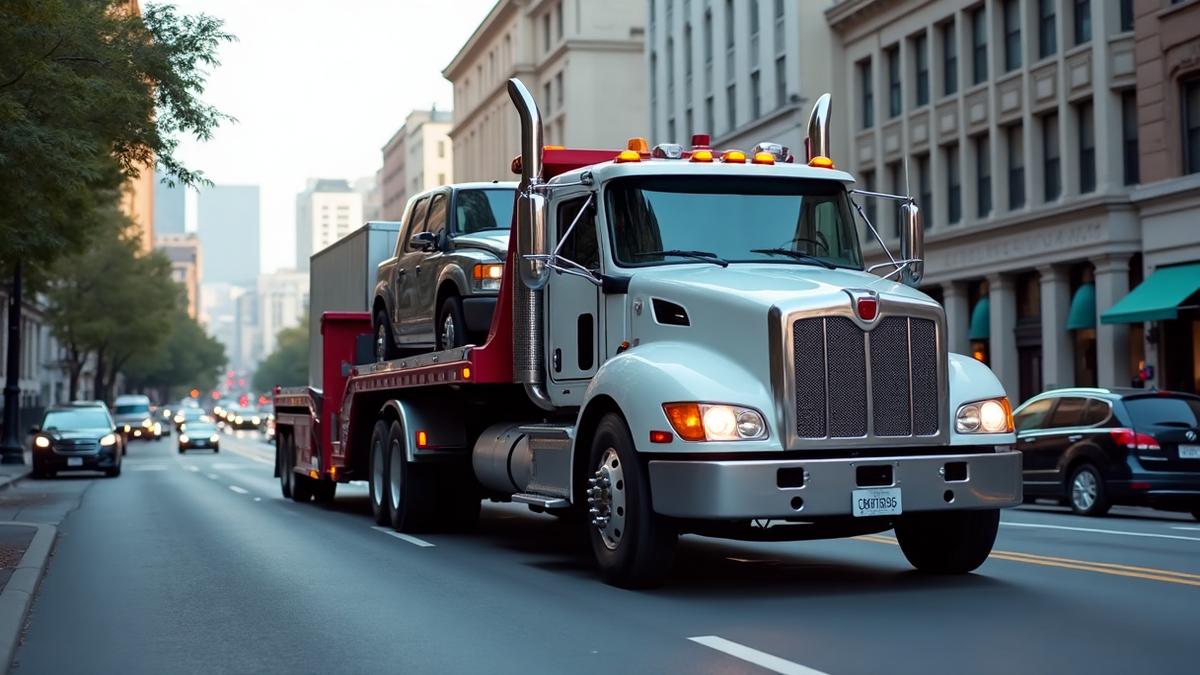
Commercial vehicle breakdowns in urban environments present unique challenges that go far beyond standard passenger car recovery. From traffic management and permit requirements to specialized equipment needs, successful commercial recovery requires expertise in both logistics and urban operations.
Understanding Urban Commercial Recovery
Commercial vehicle recovery in cities like San Francisco requires a comprehensive approach that addresses not just the mechanical aspects of towing, but also traffic management, regulatory compliance, and business continuity concerns.
Vehicle Types Requiring Recovery
- Delivery trucks and box trucks
- Construction and utility vehicles
- Emergency service vehicles
- Public transportation buses
- Waste management vehicles
Common Urban Breakdown Locations
- Busy intersections and thoroughfares
- Loading zones and commercial districts
- Bridge approaches and tunnels
- Highway on-ramps and off-ramps
- Construction zones
Traffic Management and Safety Protocols
Effective commercial vehicle recovery requires sophisticated traffic management to ensure both worker safety and minimal disruption to urban traffic flow. This is where professional experience makes a critical difference.
- Scene Assessment and Planning: Evaluate traffic patterns, available space, and optimal equipment positioning
- Traffic Control Setup: Deploy warning devices, cones, and flagging personnel as needed
- Emergency Services Coordination: Work with police and traffic management when required
- Communication Systems: Real-time updates to dispatchers and traffic management centers
Permit and Regulatory Considerations
Urban commercial vehicle recovery often requires various permits and must comply with local regulations. Understanding these requirements prevents delays and ensures legal compliance.
Emergency Operations
- Police notification requirements
- Traffic control permissions
- Lane closure authorizations
- Emergency vehicle coordination
Planned Recovery Operations
- Street use permits
- Heavy equipment operation permits
- Environmental compliance
- Insurance and bonding requirements
Specialized Equipment for Urban Recovery
Commercial vehicle recovery in tight urban spaces requires specialized equipment designed to operate efficiently while minimizing space requirements and traffic disruption.
Heavy-Duty Recovery Equipment
- Rotator tow trucks for complex positioning
- Heavy-duty wreckers (25-75 ton capacity)
- Lowboy trailers for transport
- Hydraulic equipment for vehicle uprighting
Traffic Management Equipment
- Arrow boards and message signs
- Traffic cones and portable barriers
- High-visibility lighting systems
- Communication and coordination systems
Time-Critical Recovery Strategies
Commercial vehicle breakdowns often involve time-sensitive business operations. Efficient recovery strategies minimize business disruption and reduce the overall impact on urban traffic flow.
Immediate Safety Assessment
Assess scene safety and secure the area
Traffic Impact Evaluation
Evaluate traffic patterns and mitigation needs
Equipment Deployment
Deploy appropriate equipment and personnel
Cargo Protection
Transfer or protect cargo as needed
Vehicle Recovery
Complete vehicle recovery and site clearance
Cargo Handling and Protection
Commercial vehicles often carry valuable cargo that requires special handling during recovery operations. Protecting cargo and ensuring proper transfer is a critical aspect of commercial recovery services.
- Cargo Assessment: Evaluate cargo type, value, and special handling requirements
- Secure Transfer Procedures: Safe transfer to secondary vehicles or temporary storage
- Documentation and Liability: Proper documentation of cargo condition and transfer
- Chain of Custody: Maintaining proper chain of custody throughout the process
Fleet Management Integration
Many commercial vehicles are part of larger fleets with specific protocols and requirements. Understanding fleet management considerations helps streamline the recovery process and maintain business operations.
Fleet-Specific Considerations
- Preferred repair facility networks
- Fleet maintenance scheduling
- Driver communication protocols
- Insurance claim procedures
Corporate Account Benefits
- Priority dispatch service
- Pre-negotiated pricing
- Streamlined billing
- Dedicated account management