
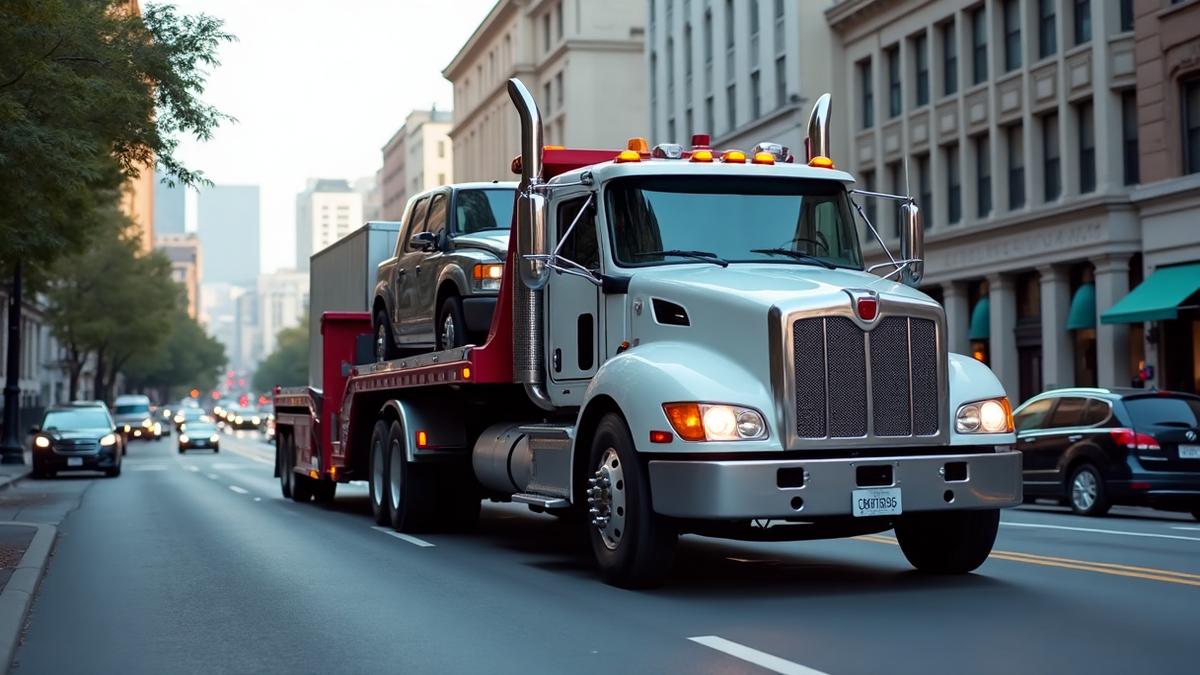
When paying customers are on board, the towing decision is secondary to life safety. Pair this article with commercial urban recovery for curb-and-hotel realities.
Passenger Protocol Before Hooks
If the failure happened after a minor collision, use accident scene management basics to keep secondary impacts off the table.
Account for mobility devices—ramps may be unusable after certain electrical faults.
Related resources: Service options • Get a quote • Related guide
Weight Class Reality for Shuttles
Door-jamb GVWR ends debates. If you are near heavy thresholds, review heavy-duty services before accepting a light truck that cannot complete the job.
Share whether the vehicle is high-floor or low-floor for loading angle planning.
Related resources: Service options • Get a quote • Related guide
Urban Staging at Hotels and Curbs
Airport and hotel loops are loud—use text updates to dispatch when voice calls drop.
Cones from hotel security can buy minutes; they are not a substitute for a legal tow plan.
Confirm situation
Share your exact location, vehicle status, and destination details with dispatch.
Choose safe method
Request the towing method that matches your vehicle type and current condition.
Document service
Save invoices, timestamps, and photos for claims, compliance, or reimbursement.
Related resources: Service options • Get a quote • Related guide
Vendor Coordination and Invoicing
Fleet vendors should align PO numbers before trucks roll. Our fleet towing overview explains recurring billing hygiene.
Save manifests showing passenger count zeroed before hook for liability hygiene.
Do This
- Share complete vehicle details
- Ask for itemized billing
- Confirm destination before loading
Avoid This
- Accepting unclear pricing
- Skipping method confirmation
- Leaving without records
Related resources: Service options • Get a quote • Related guide